The post came in reply to a post from the United Nations Relief and Works Agency (UNRWA), saying that freshwater supplies in Gaza were "severely limited and polluted."
Gaza is receiving over 70,000 cubic meters of water per day, the Coordinator of Government Activities in the Territories (COGAT) claimed in an X/Twitter post on Sunday.
The post came in reply to a post from the United Nations Relief and Works Agency (UNRWA), saying that freshwater supplies in Gaza were "severely limited and polluted," due to a collapse in sewage infrastructure.
COGAT described UNRWA's claims as being "false narratives."
COGAT coordinates Gaza water line repair
"The facts speak for themselves," COGAT said. "When a water line issue was reported last week, we coordinated a rapid repair to restore full functionality immediately."
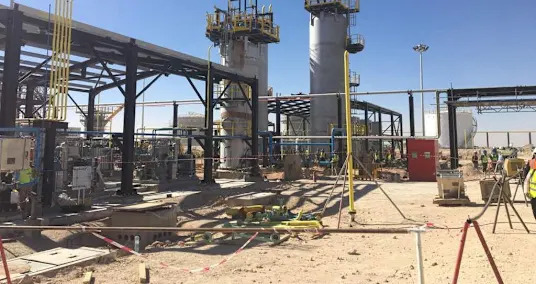
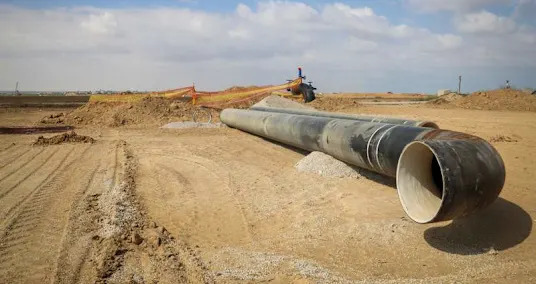
COGAT also said that there were four active pipelines leading into Gaza: Nahal Oz, Bani Suheila, Birkat Sa'id, and the Emirati line.
"While local groundwater faces challenges, we continue to repair infrastructure, even during combat, to ensure civilians access to safe, potable water," COGAT claimed.
LATEST POSTS
- 1
 Step by step instructions to Keep up with Great Hand Cleanliness Before Handshakes
 - 2Investigating Inside Plan and Home Style: Change Your Residing Space
- 3Tatiana Schlossberg, JFK's granddaughter, dies at 35 after terminal cancer diagnosis
- 4The most effective method to Pick the Right Material Organization: Your Definitive Aide
- 57 Moves toward a Sound and Dynamic Way of life


- Nations for Rock Climbing
- It Shouldn’t Be Here: Rescuers Race to Save Whale Stranded in Rare Spot
- How to watch NASA's Artemis 2 astronauts launch to the moon on April 1
- Watch interstellar comet 3I/ATLAS make its closest approach to Earth in free livestream on Dec. 18
- Volunteers aiding humpback whale stranded in Baltic get death threats
- The most effective method to Pick the Right Teeth Substitution Choice for You
- The Main 20 Gaming Control center Ever
- How C-reactive protein outpaced ‘bad’ cholesterol as leading heart disease risk marker
- Africa's energy giants eye long-term gains on Iran war disruption